Nearshoring vs. The Maquila (1988-1994): Charting Mexico's Economic Future
There is growing confusion in Mexico between nearshoring and the 1990s Maquila initiative. As global trade shifts, it is crucial to distinguish these concepts and embrace a new vision that leverages Mexico's full potential, one that should be reframed as North American Prosperity Integration.
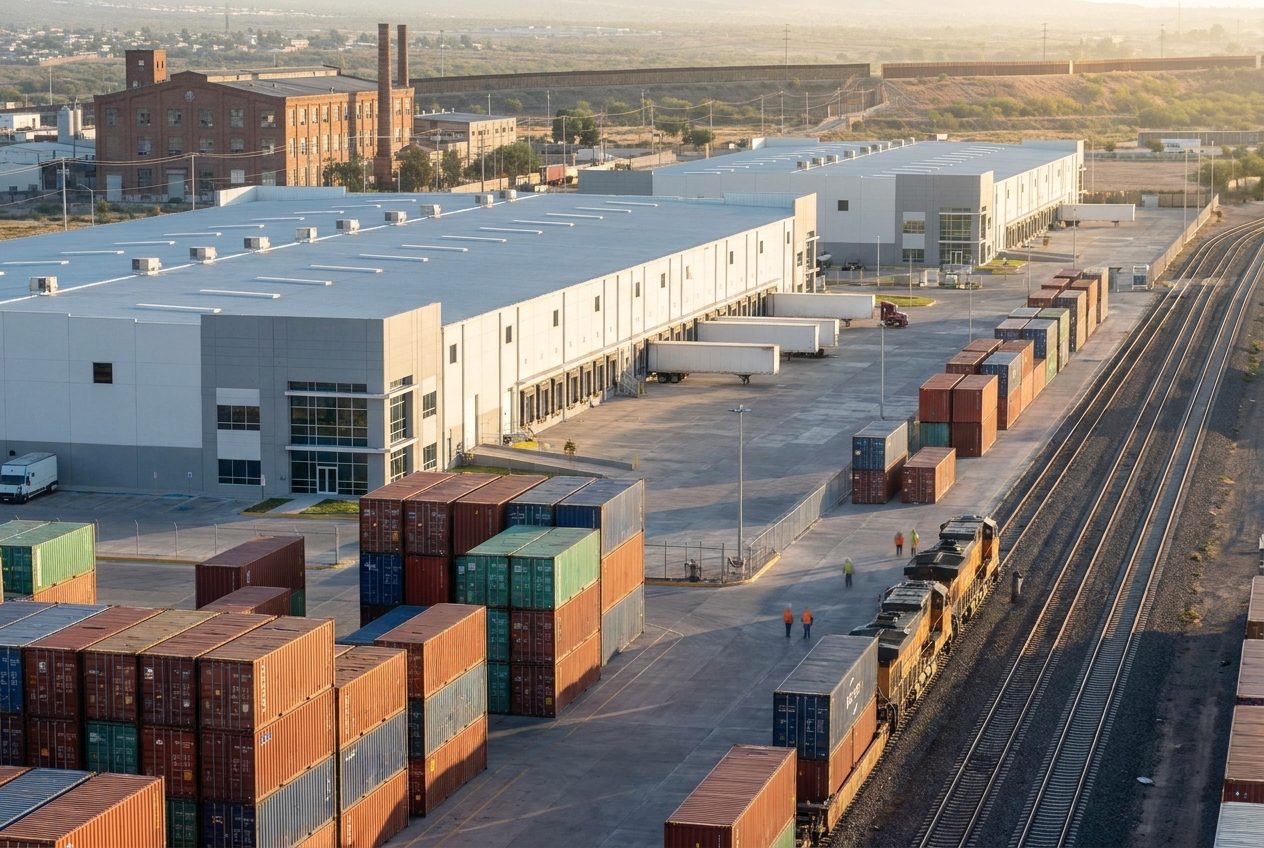
There is growing confusion in Mexico between nearshoring and the 1990s Maquila initiative. As we navigate global trade today, it is crucial to distinguish these concepts and embrace a new vision that leverages Mexico's potential. This vision should be reframed as North American Prosperity Integration.
Regional prosperity integration is a strategic approach where neighbouring countries collaborate to create a unified economic region that promotes shared growth, innovation, and sustainability. Instead of simply engaging in trade, this concept involves aligning economic policies, regulatory standards, and investment strategies to build a cohesive and competitive regional economy. By fostering deep integration across industries and markets, countries like Mexico, the United States, and Canada can leverage their combined strengths to develop resilient supply chains, advance technological innovation, and ensure that economic benefits are distributed more equitably among their populations. This holistic approach moves beyond traditional trade agreements, aiming to create a fully integrated region where prosperity is collectively achieved and sustained.
The Maquila program was an emergency response to economic crises in the late 1980s and early 1990s. It aimed to create jobs, attract foreign investment through low wages and tax incentives, promote export-oriented growth, and reduce costs for multinationals. While it addressed immediate concerns, it was a short-term fix that did not foster long-term prosperity or innovation.
Nearshoring, in contrast, represents a strategic shift toward building a resilient, innovative, and sustainable economic ecosystem. It is not just about physical proximity but about deep market integration with the U.S. and Canada across multiple sectors. This integration allows for faster market responses, collaborative innovation, and diversification beyond traditional industries.
Global disruptions like COVID-19 have highlighted the need for robust supply chains. Nearshoring emphasises building entire systems, encouraging strategic collaboration to mitigate geopolitical risks, and redesigning supply chains for flexibility.
Unlike the Maquila model, which focused on low labour costs, nearshoring involves holistic cost optimisation, encompassing tariffs, transportation, technology, and the overall value of Mexico's production ecosystem. Environmental stewardship and regulatory compliance are now non-negotiable. Nearshoring enables companies to align with global sustainability goals and meet stringent standards, leveraging Mexico's advantages over many Asian counterparts.
Technological integration and innovation are central to nearshoring. Cultural alignment and time zone advantages facilitate better communication, fostering high-value industries like aerospace and advanced manufacturing.
Most importantly, nearshoring strengthens regional ties, moving beyond economic blocs to create a fully integrated social and economic entity. It ensures shared benefits for Mexico, the U.S., and Canada through policy alignment and harmonised regulations.
The current discourse risks repeating past mistakes by conflating nearshoring with the outdated Maquila model. We must adopt a new paradigm that recognises nearshoring's strategic importance, educates policymakers on its distinctions and opportunities, and builds regional collaboration around shared prosperity.
Failing to shift our approach risks stagnating Mexico's economy and undermining key alliances. Embracing true nearshoring positions Mexico as a vital global hub, fostering innovation, sustainability, and shared growth.
Nearshoring offers Mexico an unprecedented chance to redefine its global role. By moving beyond the Maquila's limited scope and adopting a holistic strategy, we can build resilient supply chains, promote sustainable practices, foster technological advancement, and strengthen regional ties for mutual benefit.
Outdated models must not hold us back. It is time to chart a new course for Mexico's economic future, leveraging our strengths, embracing innovation, and fostering lasting prosperity for all.
Frequently Asked Questions
What is the key difference between nearshoring and the Maquila program?
The Maquila program was a short-term emergency measure built on low wages and tax incentives to attract foreign capital. Nearshoring is a long-term strategic model centred on deep market integration, supply chain resilience, technological innovation, and equitable prosperity shared across Mexico, the U.S., and Canada.
What is North American Prosperity Integration?
North American Prosperity Integration is a framework in which Mexico, the U.S., and Canada align economic policies, regulatory standards, and investment strategies to build a cohesive, competitive regional economy, one that distributes benefits equitably rather than concentrating gains in foreign capital.
Why does conflating nearshoring with the maquila model matter?
Treating nearshoring as merely an updated maquila risks locking Mexico into a low-cost, low-value positioning. Recognising nearshoring as a distinct paradigm allows policymakers to design strategies that attract high-value industries, strengthen supply chain resilience, and position Mexico as an indispensable node in the global economy.